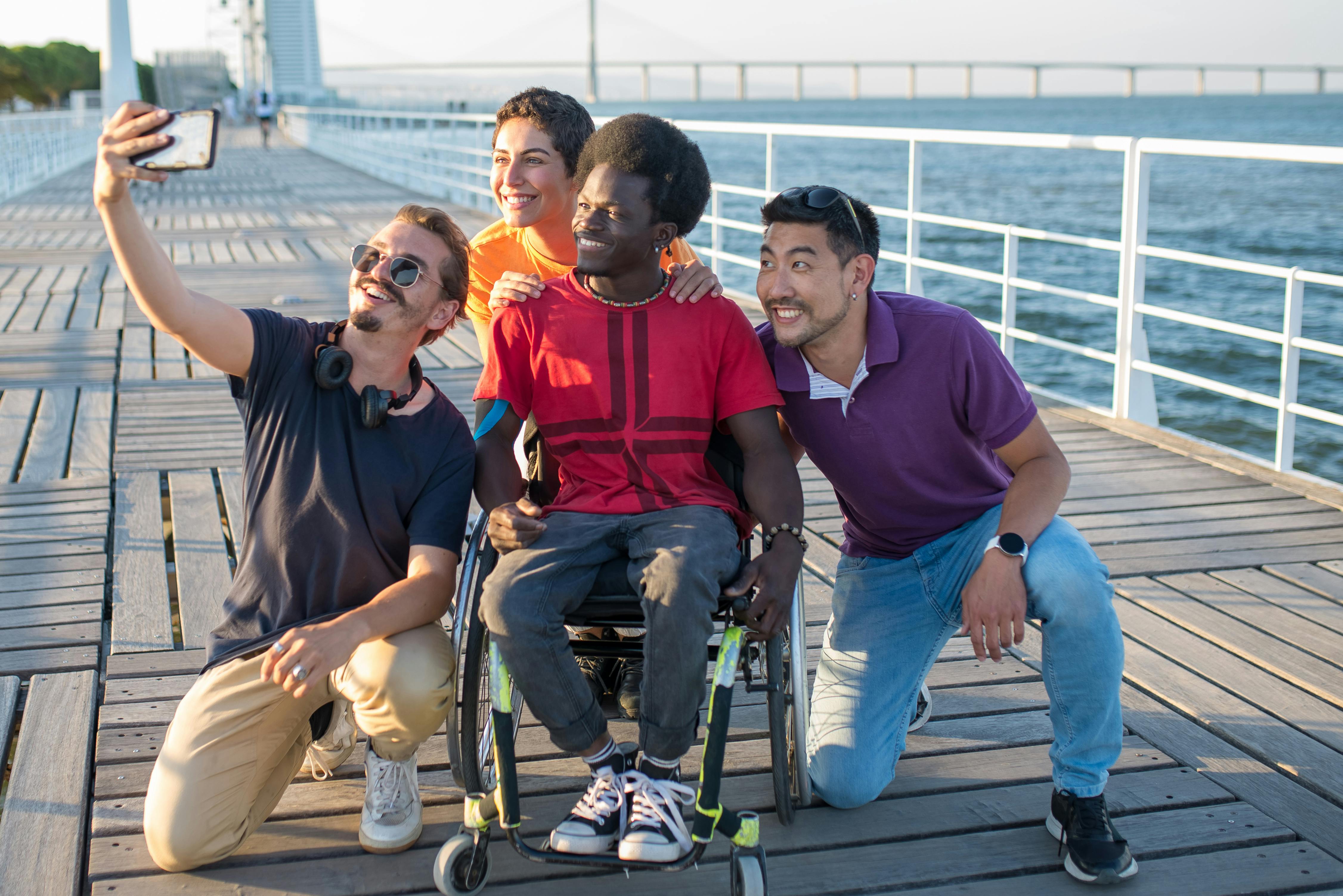

Isolation affects physical and mental health. NDIS-funded group and community activities exist to create regular, supported opportunities to meet people, practise communication, and enjoy shared interests—not to fill a calendar for its own sake.
Centre-based versus community-based
Centre-based programs can offer predictable structure, accessible facilities, and peer familiarity. Community-based outings build navigation skills, public transport confidence, and exposure to mainstream venues. Many participants benefit from a blend; ask how your provider balances both and how ratios and goals are documented.
Match activities to motivation
Engagement rises when the activity means something to you—music, sport, art, faith, or volunteering. If an activity feels like “filler,” say so. Providers worth staying with will adjust options rather than insisting one size fits all.
Safety and dignity
Good group programs explain behaviour expectations, privacy, and how to raise concerns. You should always know who is leading the session and how to step out if you become overwhelmed. Connection should never come at the cost of feeling unsafe.
Social connection is a skill and a human need. With the right pacing, groups can become something you look forward to rather than something you endure.
Written by
Kings Home Care Team
Community Program Coordinator
Kings Home Care is a registered NDIS provider delivering quality disability support services across Australia.